A Year in the Valley

A Year in the Valley

Discovering the flora and fauna in a small square of Portmellon Valley

  • BioBlitz
  • The Rules
  • Tally
  • Map
  • Bird Page
  • Contact Form
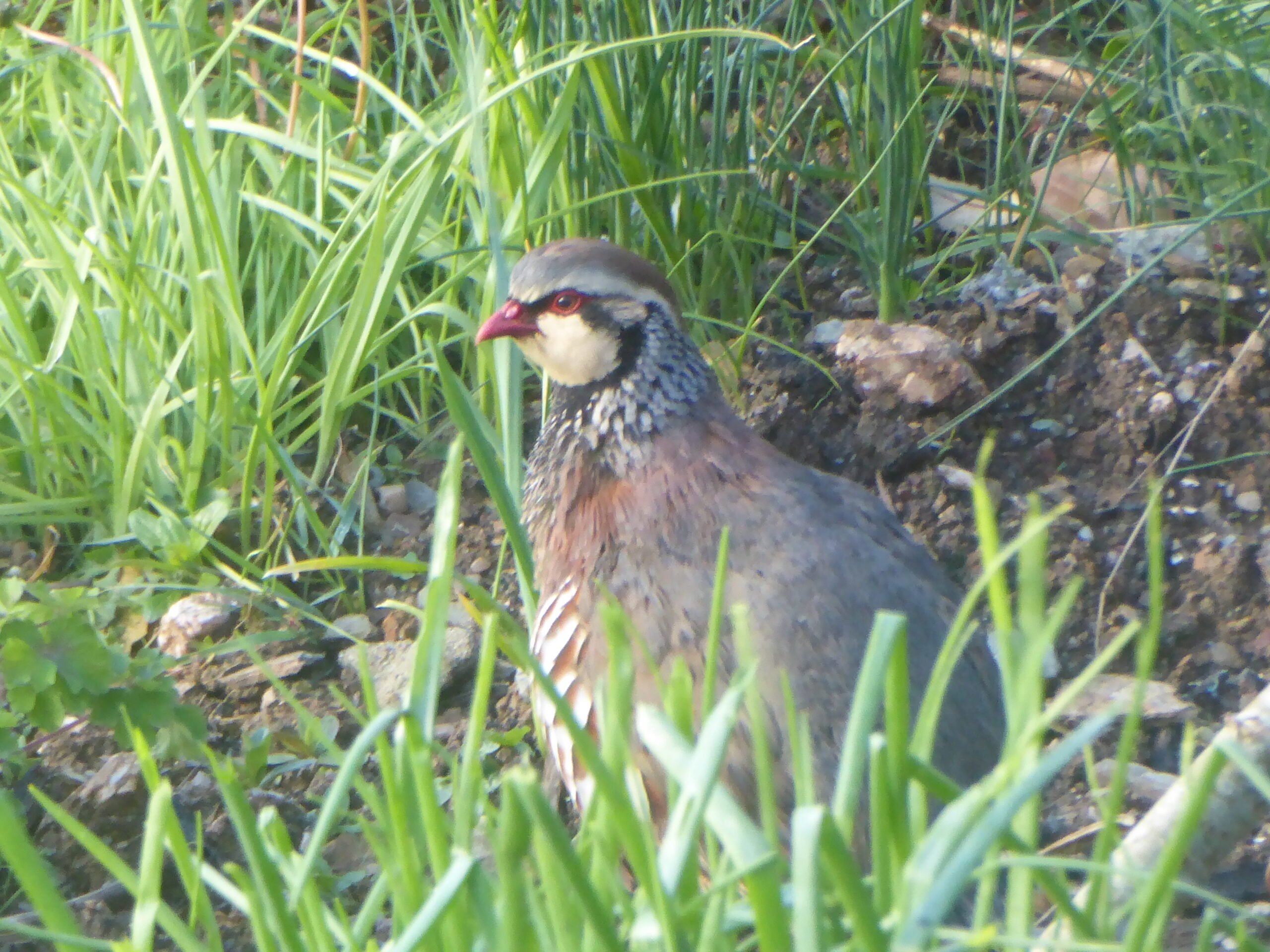
  • Red-legged Partridge

    Red-legged Partridge

    We have never seen a partridge in the watermeadow before, but this one turned up this morning looking very bedraggled.  We wondered whether he had been displaced by Storm Pierick last night.  Here, he has dried out and fluffed himself up.  Red-legged partridges look very striking with their complex colouring.  They can be identified by their red beak and legs. 
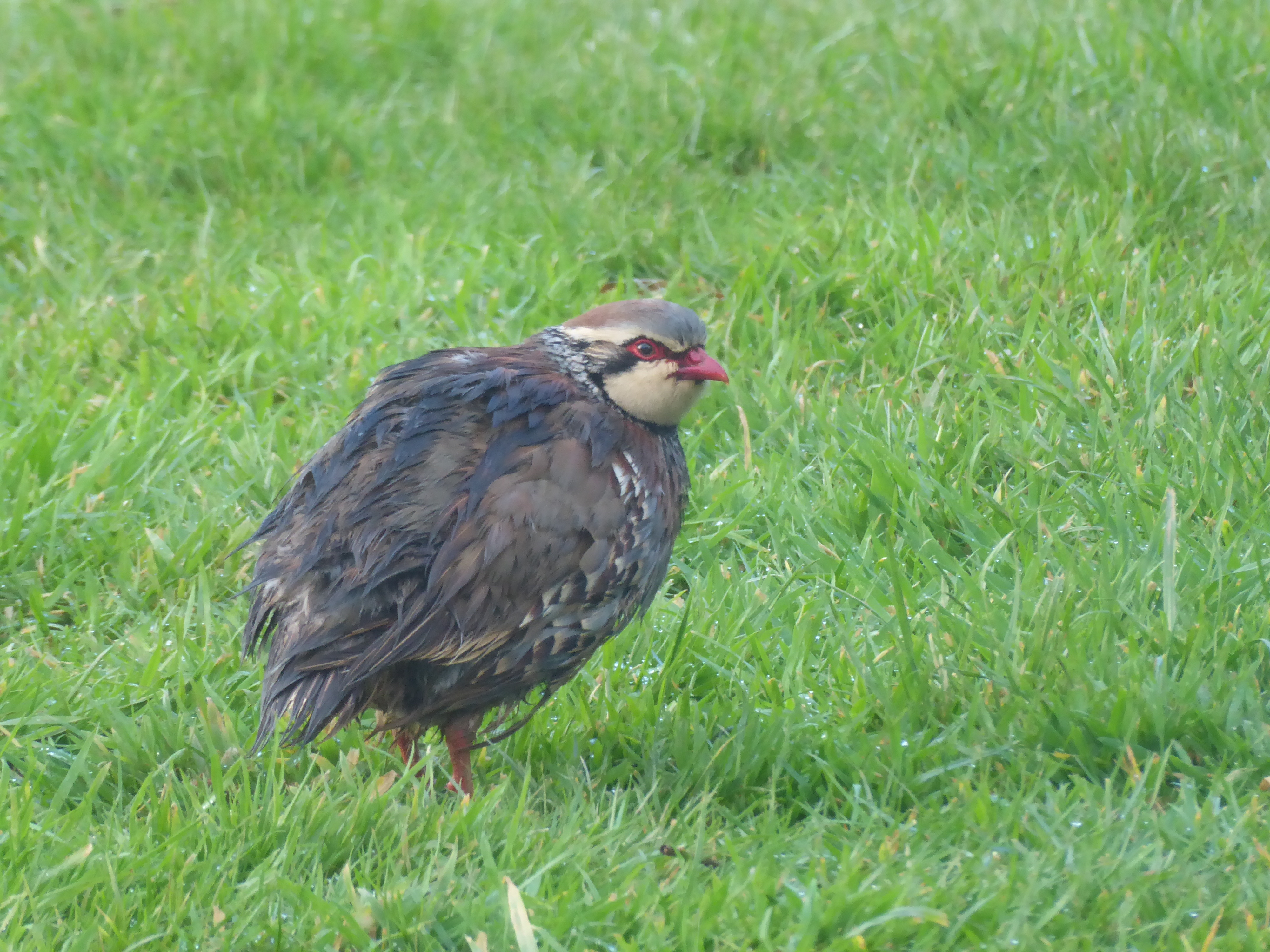
    They live in lowland scrub and farmland, eating small insects as well as seeds, leaves, and roots.  They are ground-nesting birds.  Their nest is just a foliage-lined scrape in the undergrowth.  They prefer to run instead of fly if disturbed.  In fact they are a non-native species having been introduced to the UK in the eighteenth century as a new gamebird.
    Daisy D

    09 April 2024
    Birds
    Red-legged Partridge
  • Common Frog

    Common Frog

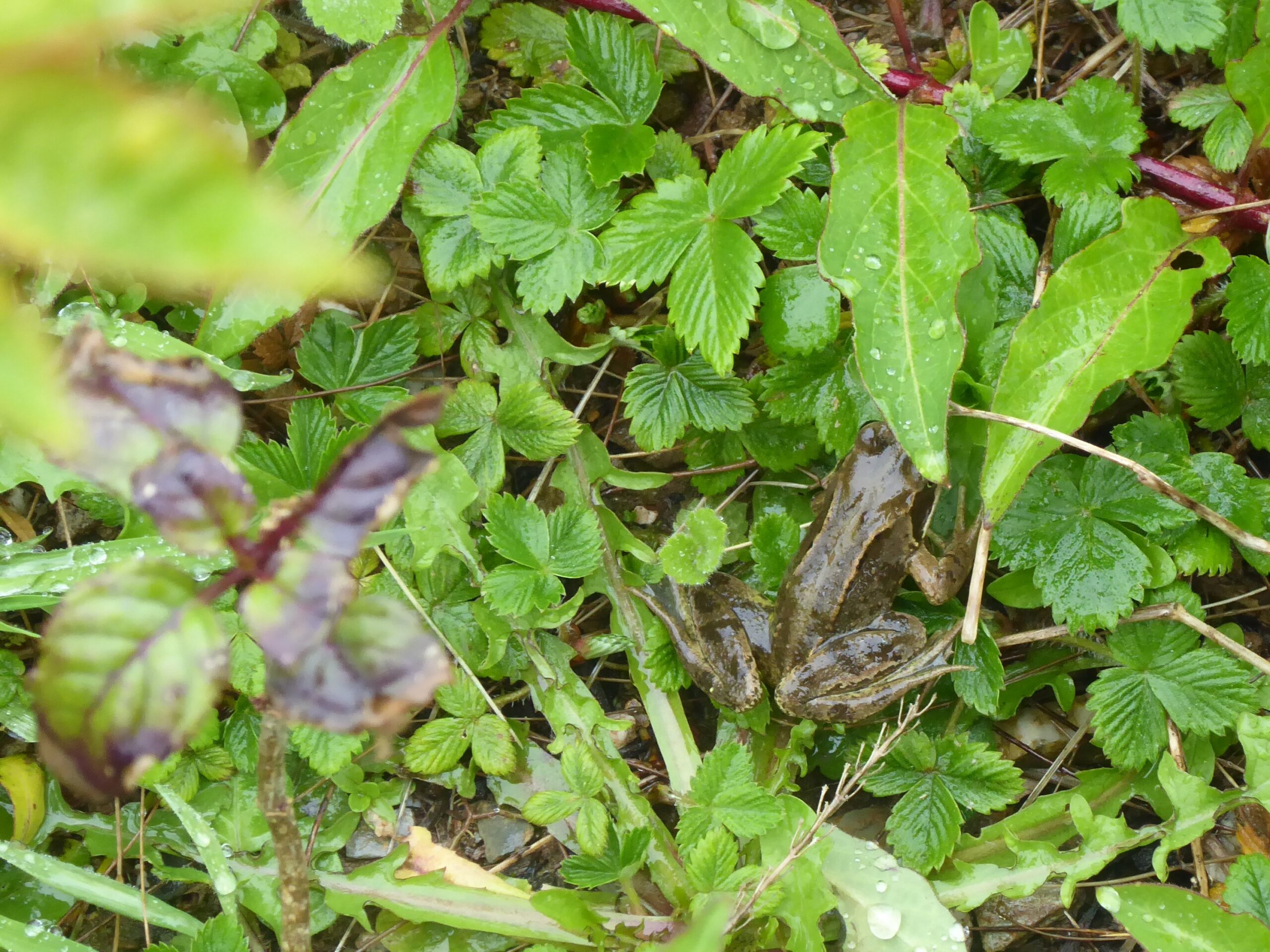
    Finally, I have snapped a frog.  I was planning on finding frogspawn as a compromise but haven’t been able to get to the pond yet.  An actual frog is even better.  This is a frog because its skin is slimy and smooth, rather than dry and warty.  It has longer legs than a toad, webbed feet and hops rather than crawls.  It is slimmer than a toad and has a more streamlined shape.

    I’m still hoping to see frogspawn or tadpoles.  Last summer we had many tiny froglets hopping around in the watermeadow.

    Daisy D

    08 April 2024
    Animals
    Common Frog, Common Toad
  • Leaf Miner

    Leaf Miner

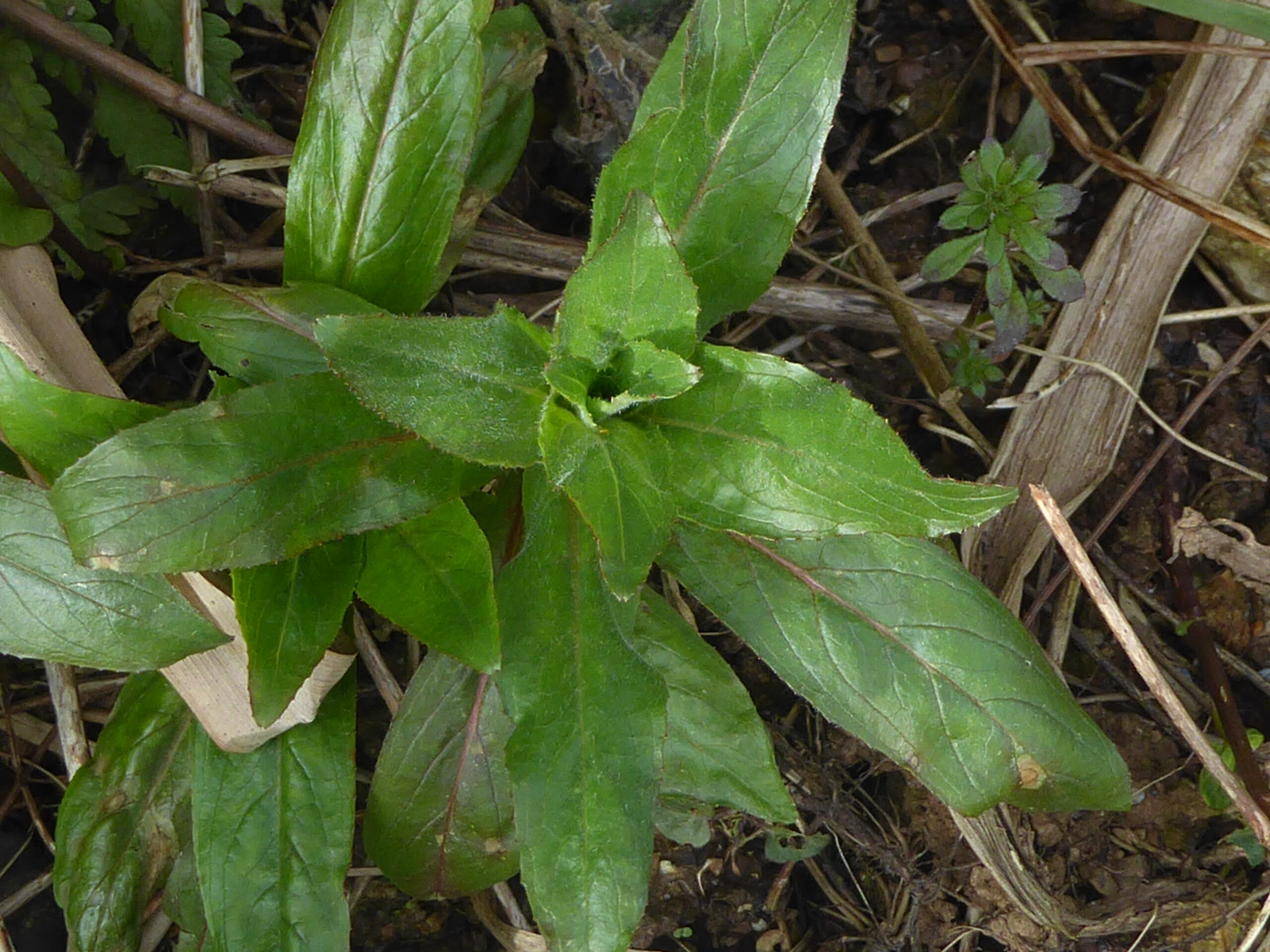
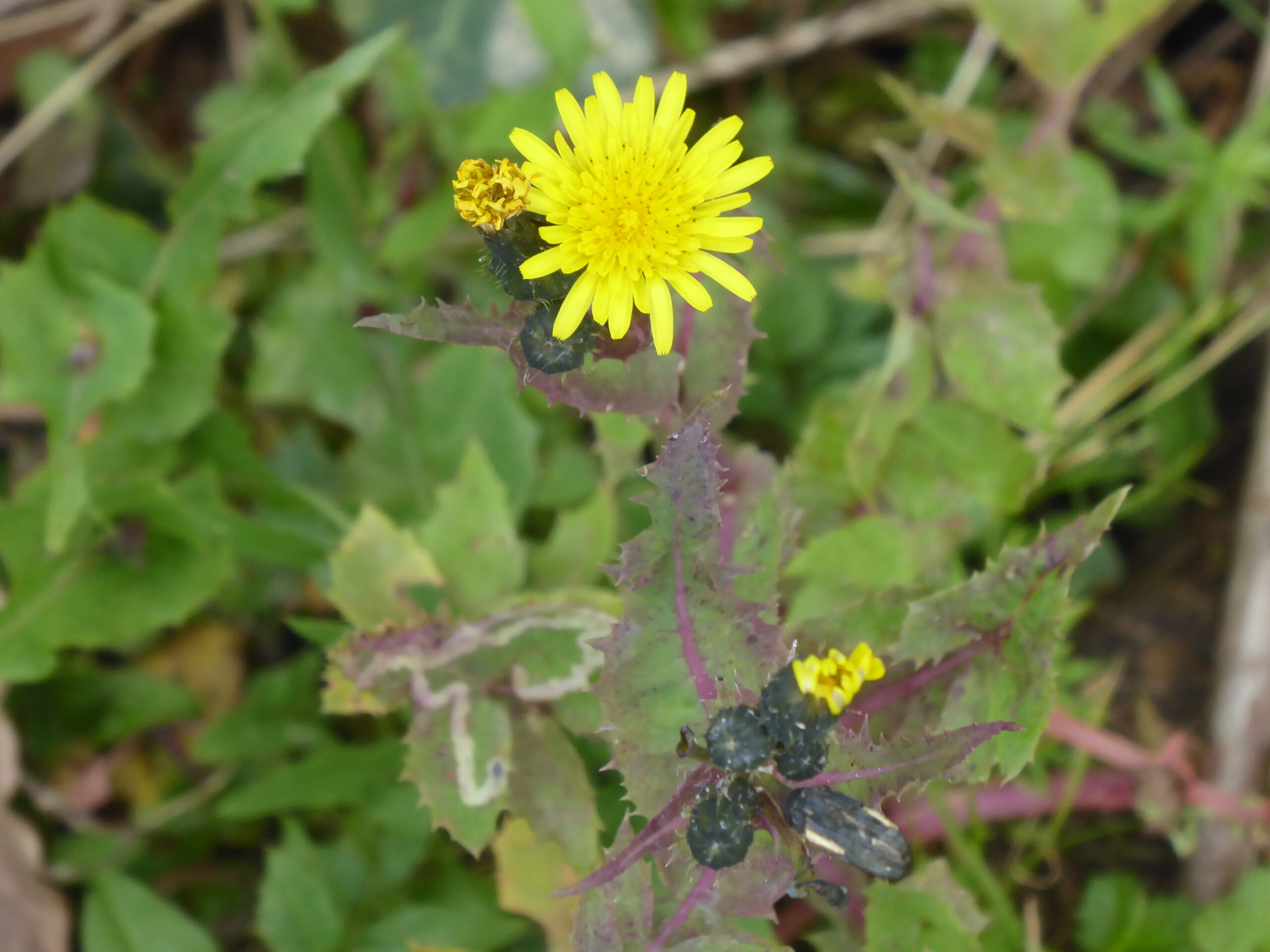
    This is a smooth sow-thistle, which I have already posted, but I took a photo as it looked quite impressive and purple.  Then I noticed the leaf-miner tracks on the leaves.  Leaf miners are the larvae of tiny flies like the Liriomyza sonchi, which mines the leaves of sow-thistle species.  Leaf miner flies are very tiny – 2-3mm.  The larvae mine small white corridors between the upper and lower surfaces of the leaf and leave their droppings ‘frass’ as black dots in the leaves.

    Daisy D

    07 April 2024
    Insects
  • Today in the Watermeadow

    Today in the Watermeadow

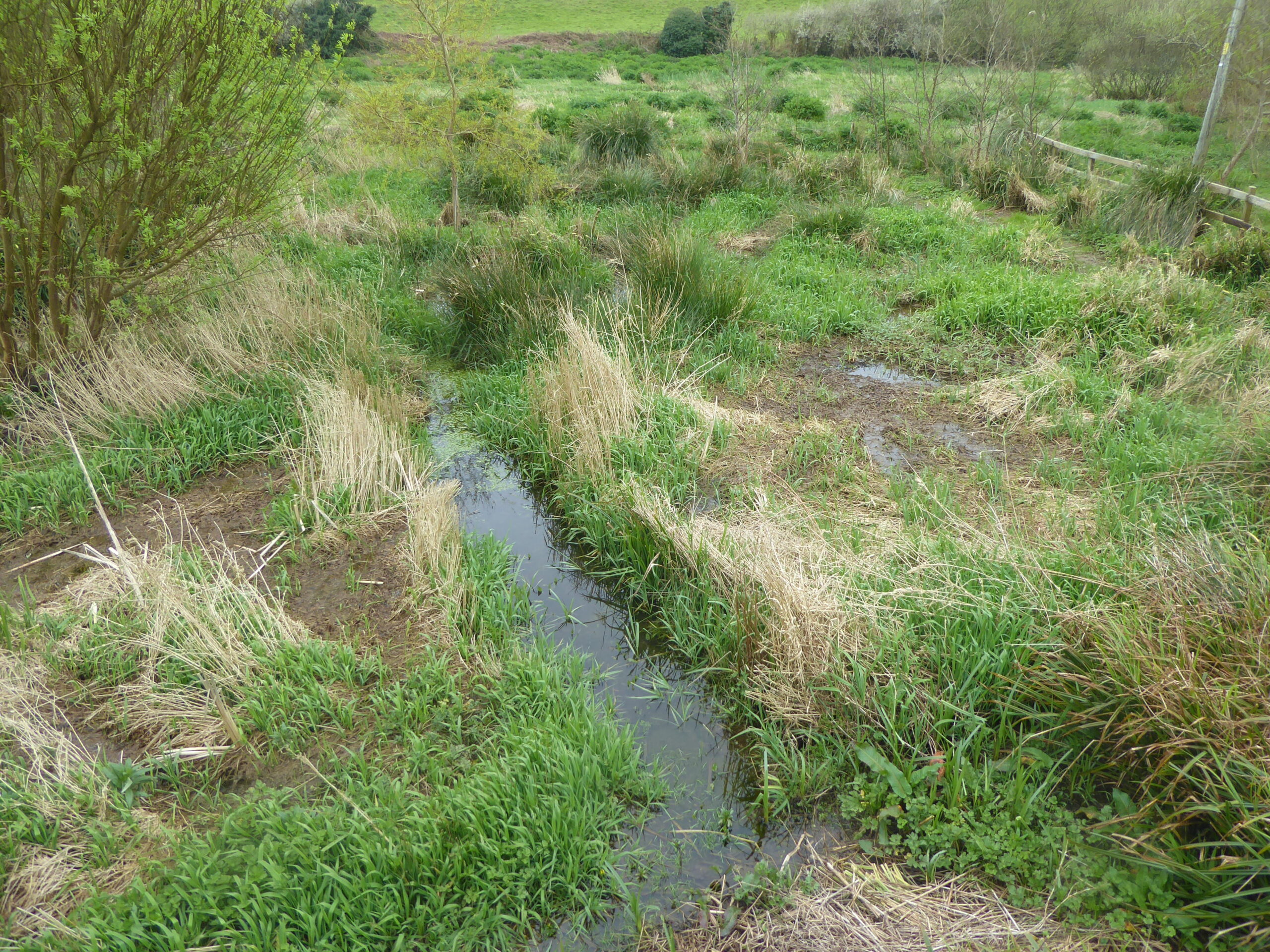
    Although we have had periods where the water has dried up and mud prevails, this week has not been one of them.  Two weeks ago, I made it down to the stream and was hopeful that the watermeadow was starting to dry out.  The banks have eroded a bit over the winter.  I would like to get to the pond and see if there is any frogspawn – and other pondlife.  The new reed canary grass is sprouting, as in the rest of the valley.  There are muddy, mulchy swathes of dead grass in the middle as you can see.  The most prolific flowers are currently speedwells and lesser celandines, with a bit of wild garlic by the steps and the odd dandelion and primrose.  Docks, bedstraws, and cleavers are sprouting and sprawling through the watermeadow.  Bugs, bees, and butterflies are waking up – and yesterday half a dozen goldfinches visited, so maybe the other finches will return soon. 

    Daisy D

    06 April 2024
    Views
    View
  • Today in the Valley

    Today in the Valley

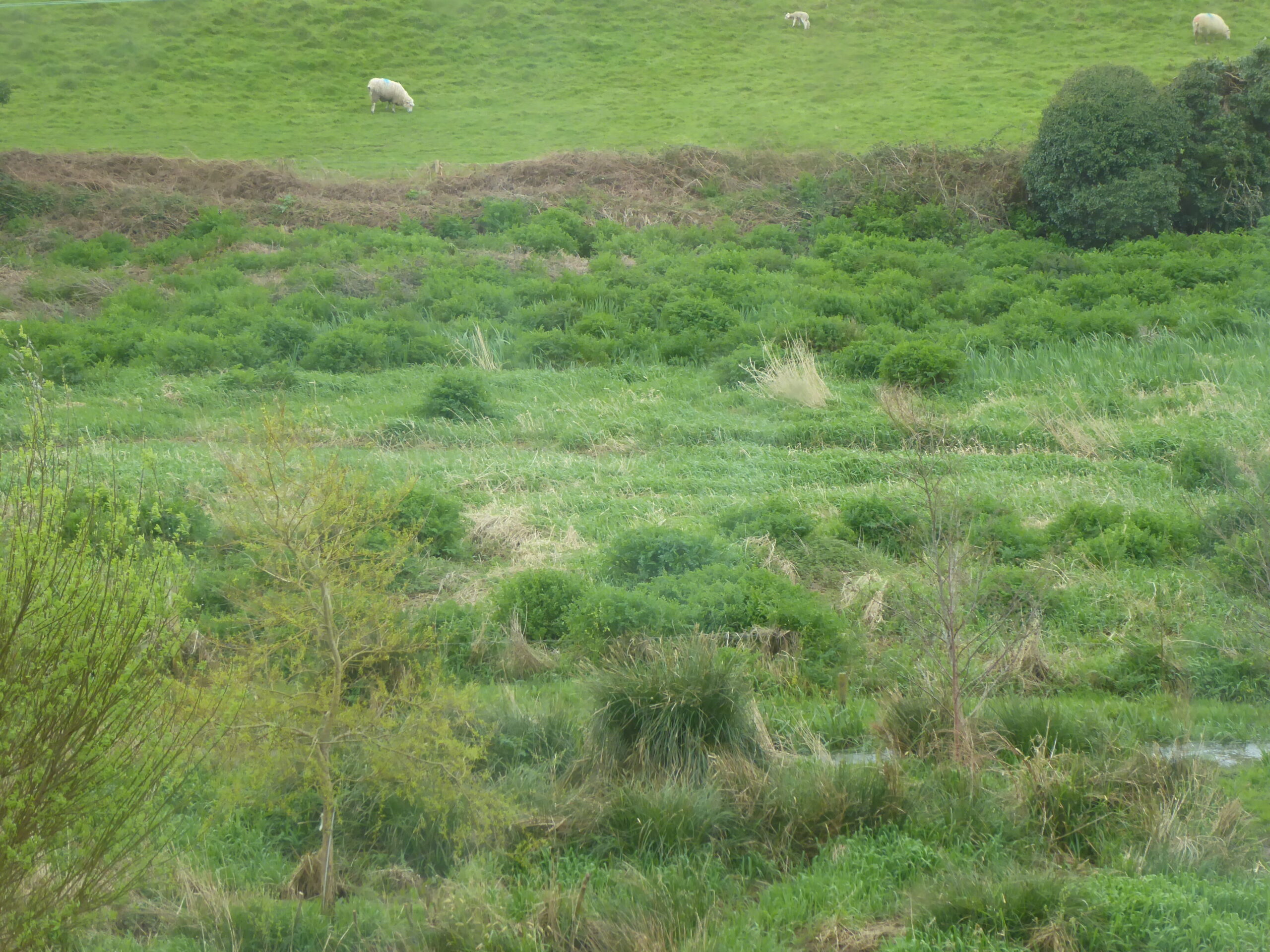
    You will notice the willows are in leaf.  The taller alders seem to be later to start growing.  We are being entertained by sheep and lambs in the field opposite.  The stream is still high and flowing fast, sometimes very brown with ‘run-off’ after prolonged spells of rain.  The Hemlock Water Dropwort is looking like a mini-forest over the other side of the valley.  The clumps are about a meter high now and flourishing in this wet weather.  The overall look of the valley is green with only a few straw-like tussocks of last years grass standing tall.  The rest has been trampled down by the weather and is now forming a mulch for this year’s green shoots.  Out of the picture are lines of trees edging the fields – all with a fuzzy bloom of green and many in white blossom.

    Daisy D

    05 April 2024
    Views
    View
  • Fringed Willowherb (Epilobium ciliatum)

    Fringed Willowherb (Epilobium ciliatum)

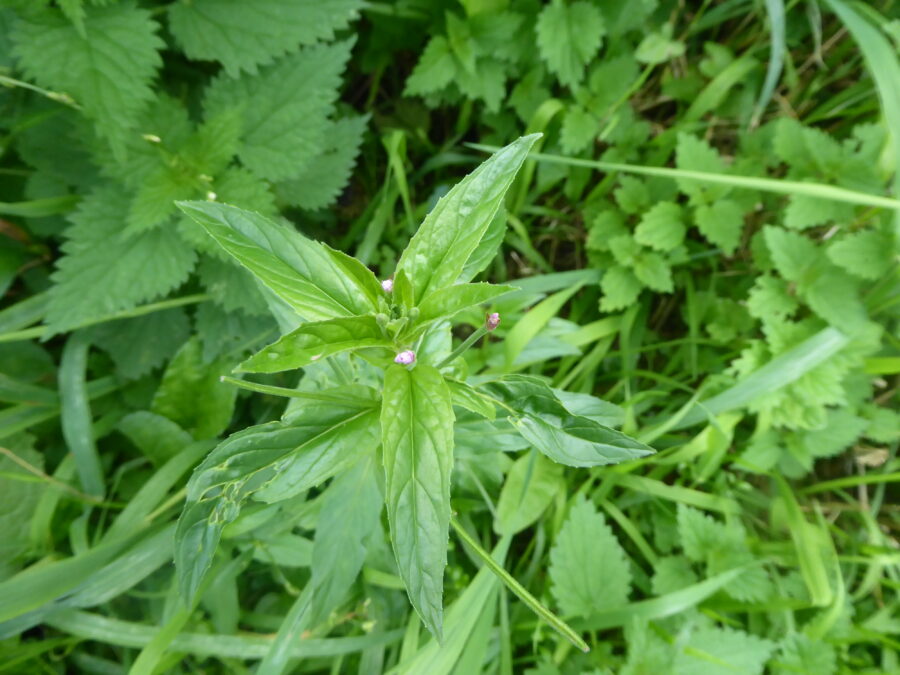
    This is a mystery left over from September when I spotted the flower peeping out from under the decking.  A perennial, it is now coming up again for the summer and I’ve been able to identify it as a Fringed Willowherb, also known as American Willowherb, as it was first recorded in the British Isles in 1891.  It prefers a damp habitat but can also be seen in gardens and roadsides.  The flowers are tinier than the Great Willowherb.

    Daisy D

    04 April 2024
    Flowers
    American Willowherb, Fringed Willowherb, Great Willowherb
  • Mountain Ash

    Mountain Ash

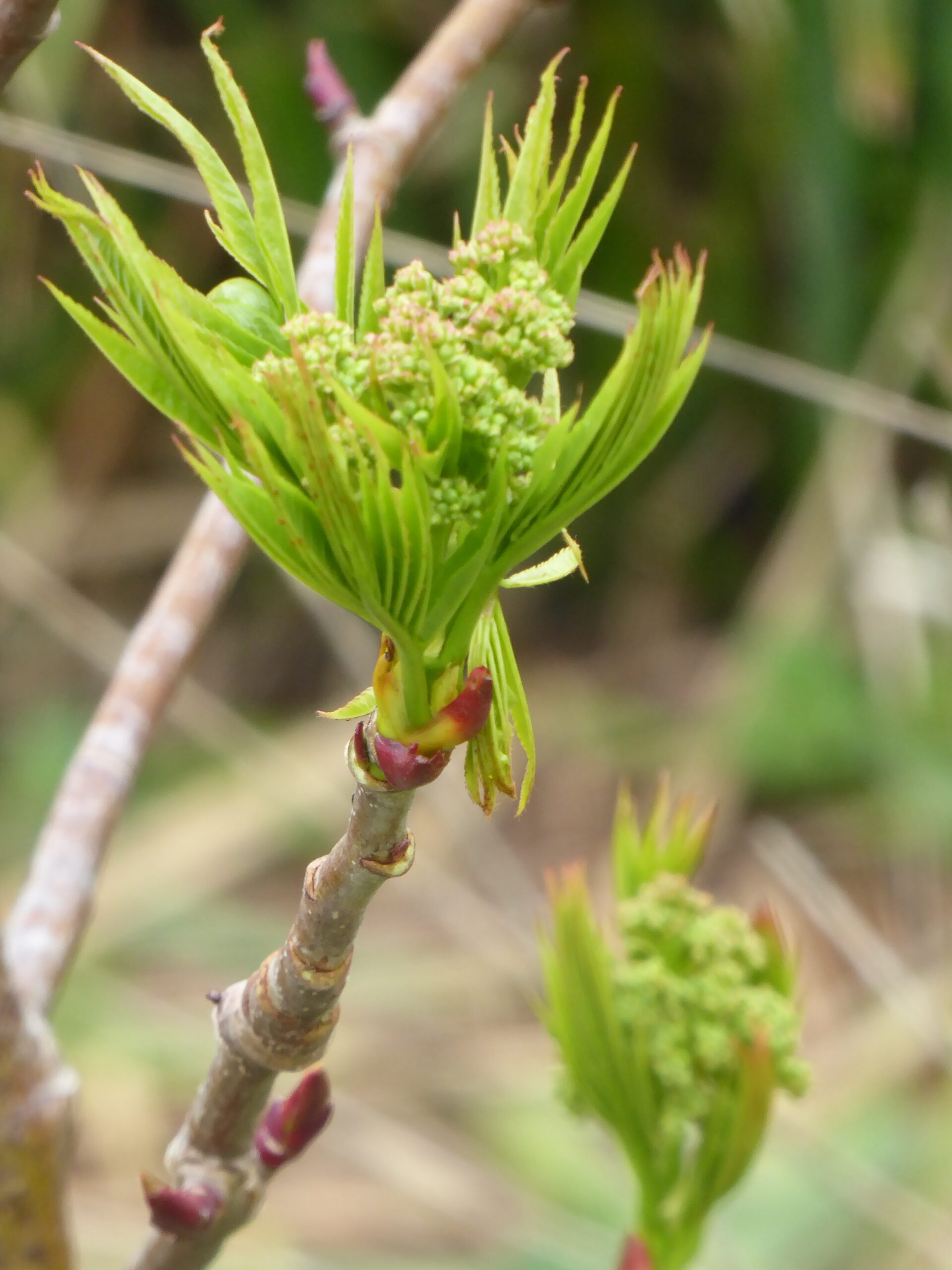
    We have a young mountain ash tree growing in Vole County and I was waiting for it to come into leaf, as it didn’t have any berries in the autumn.  I was intrigued to see that it has flowers that look a bit like broccoli florets in the centre of its leaf clusters.  Apparently, they will become white blossoms and hopefully, in turn, red berries.

    Daisy D

    03 April 2024
    Trees
    Mountain Ash
  • Tutsan (Hypericum androsaemum)

    Tutsan (Hypericum androsaemum)

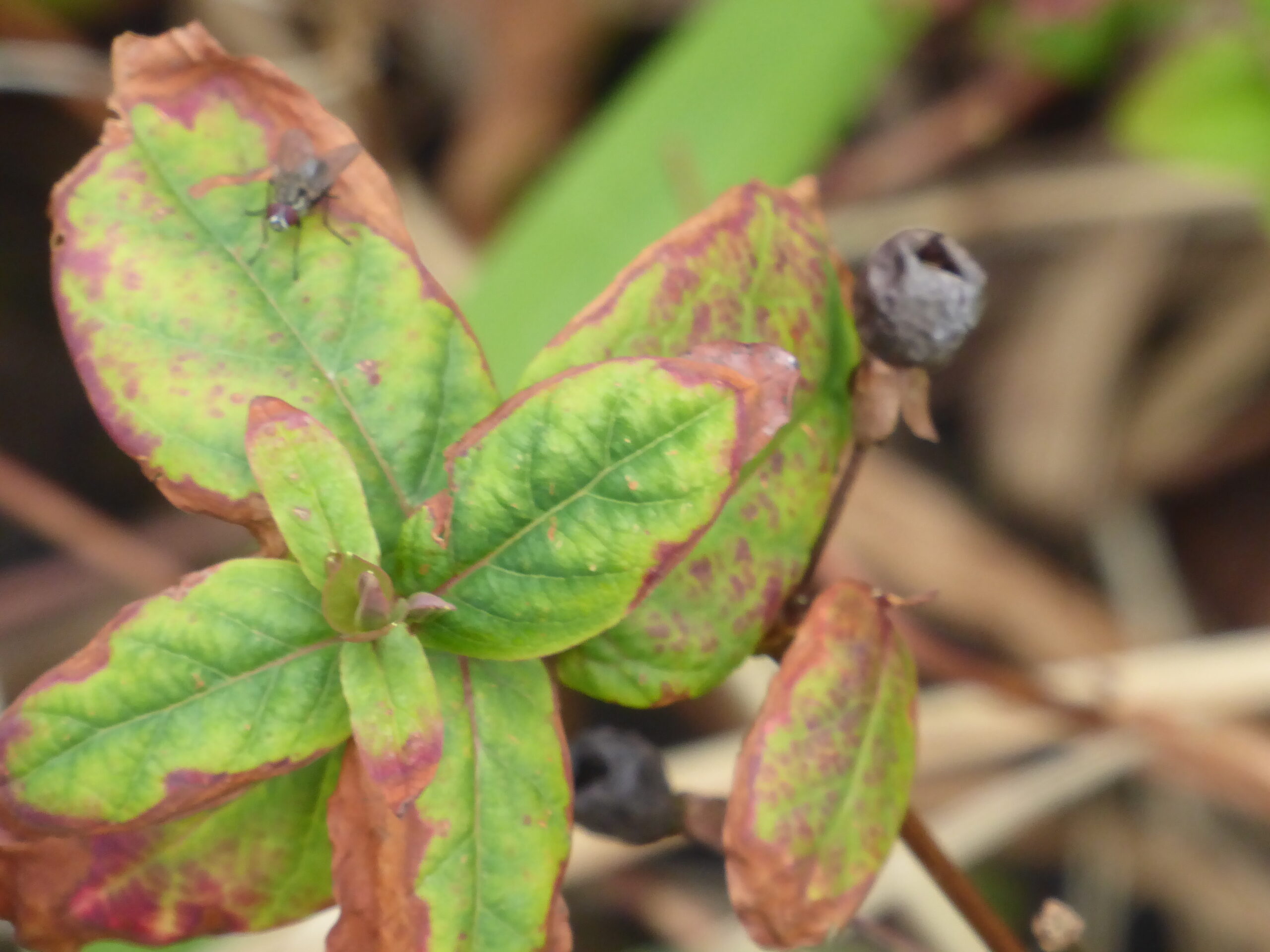
    I noticed this under the sea buckthorn trees in the shady part of the watermeadow.  It’s clearly a garden escapee as we have Tutsan bushes in the top garden, only we know it as Hypericum.  It’s odd that we didn’t know the common name, but only the Latin one!  Tutsan comes from the French phrase ‘tout saine’ which means all healthy.  However, the berries are poisonous to humans, but not to birds, which are responsible for spreading it into the countryside, where it is commonly found on banks and verges, though it prefers a damp habitat.  It has yellow buttercup-like flowers with five petals framing a big bunch of showy stamens.  The berries turn from orange to black, as in the picture.  It is in the same family as the St. John’s Worts, but although they all have similar flowers, only Tutsan has the black berries.

    Daisy D

    02 April 2024
    Flowers
    Tutsan
  • Primrose (Primula vulgaris)

    Primrose (Primula vulgaris)

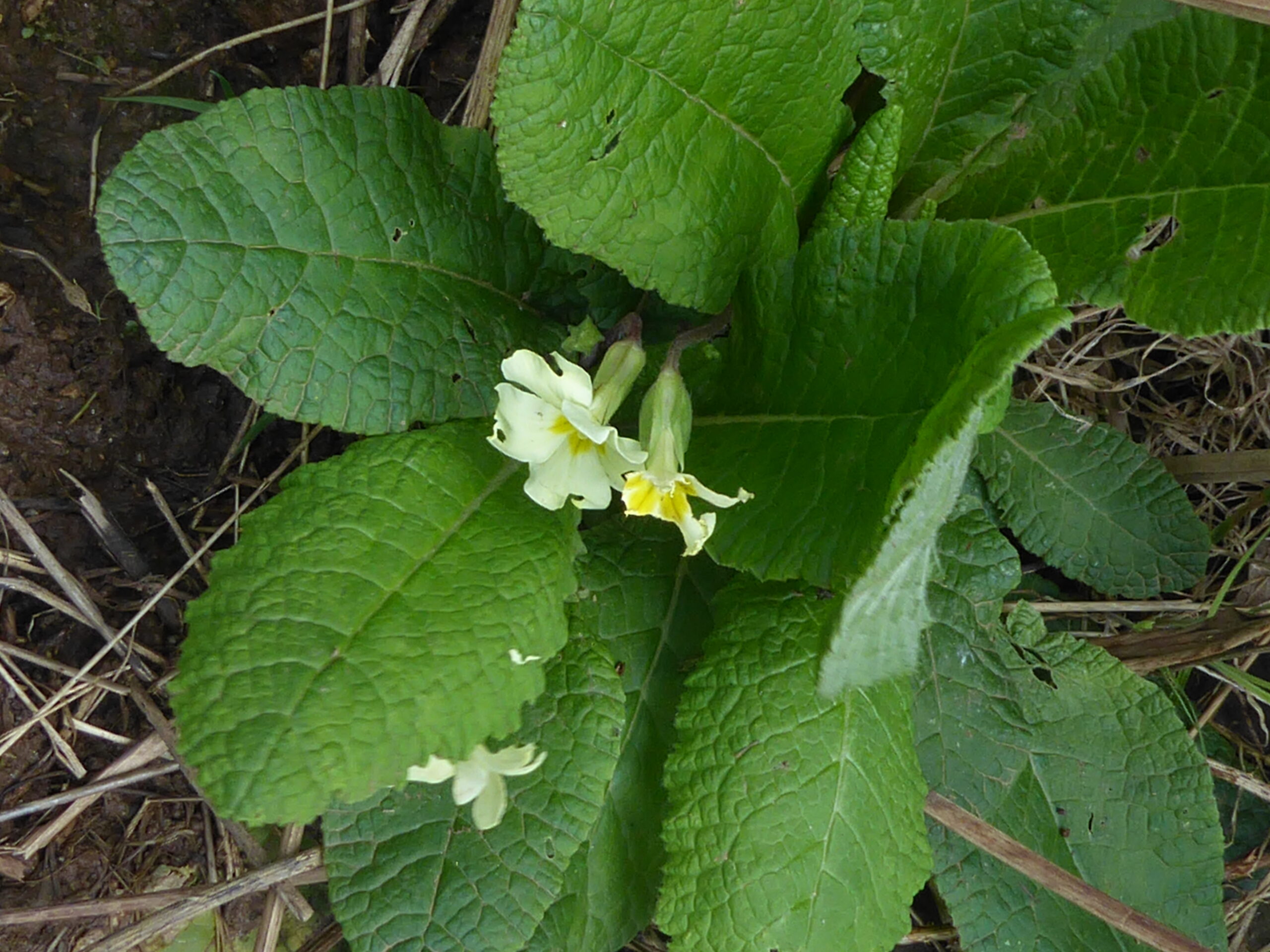
    You know it’s spring when the primrose flowers!  I didn’t even know that we had one in the watermeadow, and it looks as though it’s been blooming for a while.  It was at the foot of the stone steps under the sea buckthorns.

    Primroses are common and widespread.  They thrive in woodland, grassland, and hedgerows.  They are an important food source for early butterflies and I’m please to say that in between all the rain, we have seen peacock, red admiral and ‘white’ (from a distance) butterflies down there already.

    Daisy D

    01 April 2024
    Flowers
Previous Page
1 2 3

©2023 All rights reserved.

  • October 2024
  • September 2024
  • August 2024
  • July 2024
  • June 2024
  • May 2024
  • April 2024
  • March 2024
  • February 2024
  • January 2024
  • December 2023
  • November 2023
  • October 2023
  • September 2023
  • August 2023
  • July 2023
  • June 2023
  • Spotted in September
  • Spotted in August
  • Spotted in July
  • Spotted in June
  • Conclusions